This post contains affiliate links. We may earn a small commission when you buy through our links — at no extra cost to you.
I found mine on day two of a trip, around mile eight, when new sneakers turned a nice afternoon into a slow, wincing walk back to the hotel. A blister never announces itself; it goes from a warm spot to a raw one, and every step becomes a decision. The right bandage cushions it, keeps it dry, and stays put.
We put 15 blister bandages through that scenario over four months — airport sprints, cobblestone streets, sweaty hikes, hotel showers — and the difference came down to adhesion and shape. A hydrocolloid pad isn’t gauze; it’s a gel layer that seals skin and holds fluid away from the wound, which is why you shouldn’t pop a blister first. What matters is whether the pad stays on a heel flexing inside a shoe, and whether the size actually covers the hot spot.
The picks below run from slim pads that disappear inside dress shoes to thick cushions built for a full day on your feet.
Our Top Picks




The Best Blister Bandages for Travel, Reviewed
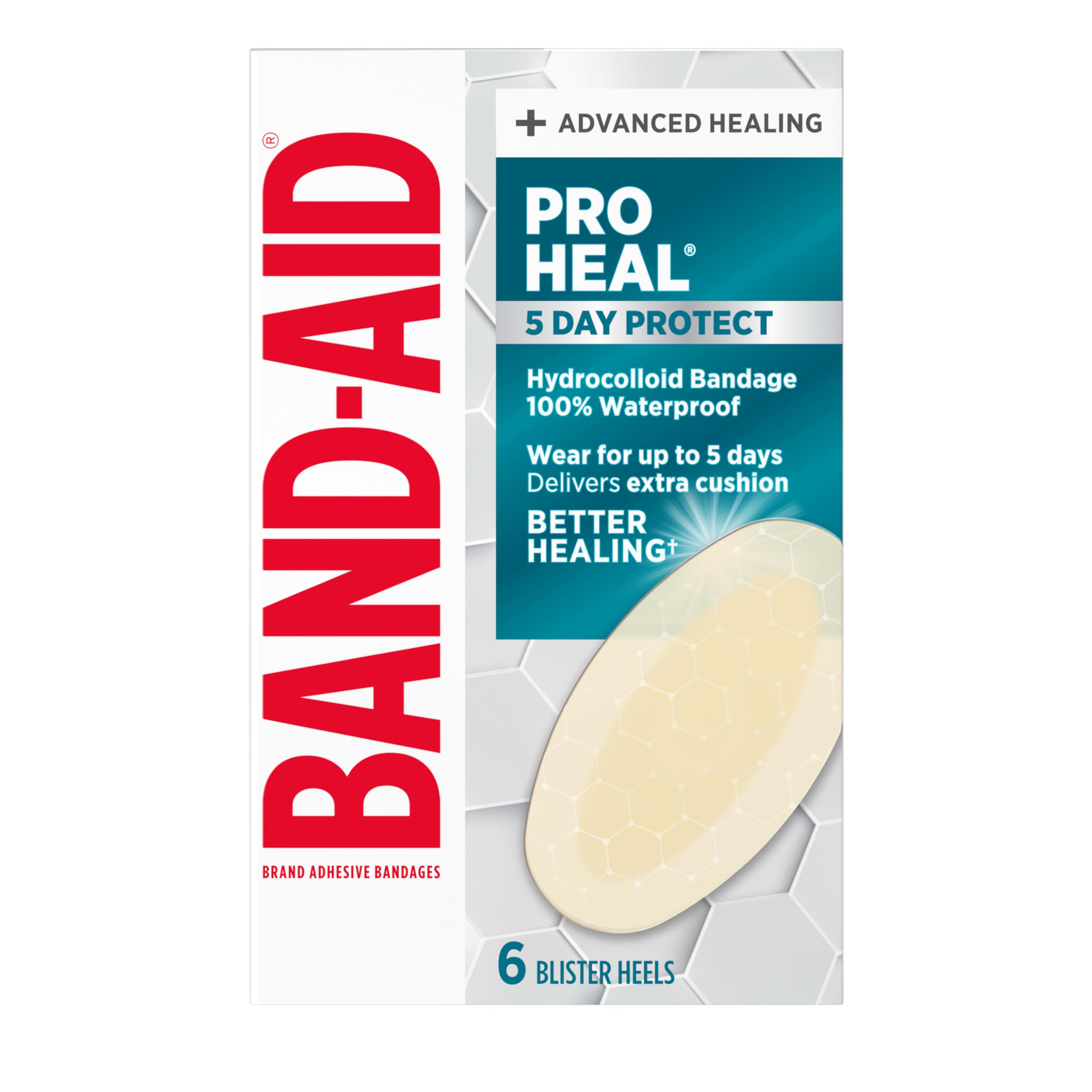
1. Band-Aid Pro Heal Blister Bandages
Best Overall
Key Features
- Material: Hydrocolloid
- Wear time: Up to 5 days
- Pack count: 6
- Item weight: 0.8 oz
- Price: Budget
The white bubble that forms under a hydrocolloid patch is the strangest part of using one. The Band-Aid Pro Heal seals over a blister, and as it absorbs fluid a white bubble forms under the film. That bubble is the patch doing its job, not a sign that it has failed. For travel, the sealed cover is the point: it keeps water, dirt, and sock friction off a hot spot while you keep moving.
We make this the default because it has the best balance of coverage, cushioning, and packability here. The 6-count box is small enough to disappear into a purse or a dopp kit, and the patch is cushioned without feeling bulky inside a shoe. The five-day wear claim is a ceiling, not a promise for every foot—sweat, placement, and how much you walk decide whether it lasts. Press the edges down on clean, dry skin, and give the patch a minute to warm before you pull on a sock.
This is the one to buy when you want a waterproof hydrocolloid patch and do not need a shape library. It handles the everyday blister on the back of a heel or the side of a toe. If your blisters tend to land in several different places, the variety pack below is the better travel companion.
Pros
- Seals blisters from water and dirt
- Cushioned cover stays low-profile
- Compact six-count travel box
Cons
- Small patch can miss a full heel
- Only six patches per box
Buy the Band-Aid Pro Heal for a compact, waterproof hydrocolloid patch that covers most travel blisters; it is our default for a small kit.
2. Dr. Frederick’s Better Blister Bandages
Best Variety of Shapes
Key Features
- Shapes: Heel, toe, and spot
- Latex-free: Yes
- Pack count: 12
- Water resistance: Water-resistant
- Price: Premium
A blister on the back of a heel and one between two toes need different shapes, which is why Dr. Frederick’s earns a place. This is the variety pick we reach for when we do not know where a new shoe will rub: 12 patches split across heel, toe, and spot shapes, all in a pack that disappears into a bag.
The shapes are the real advantage. A heel patch covers the wide, curved area that a small oval misses, while the toe and spot pieces sit where a full-size bandage would bunch. The hydrocolloid gel cushions a hot spot without a separate felt pad, and the water-resistant surface handles a normal walking day. The pack is latex-free, which is worth checking if sensitive skin is a concern.
The pack is small enough for a purse or backpack, and the three shapes cover the spots where shoes tend to rub. For a trip with several pairs of shoes and no clear idea which one will misbehave, that flexibility is worth more than a bigger box of one shape.
Pros
- Heel, toe, and spot shapes
- Water-resistant hydrocolloid cushioning
- Small, portable pack
- Latex-free construction
Cons
- Staying power varies in sweaty shoes
- Premium price for 12 patches
Buy Dr. Frederick’s when your blisters show up in different places and you want heel, toe, and spot shapes in one small pack; it is the variety pick here.
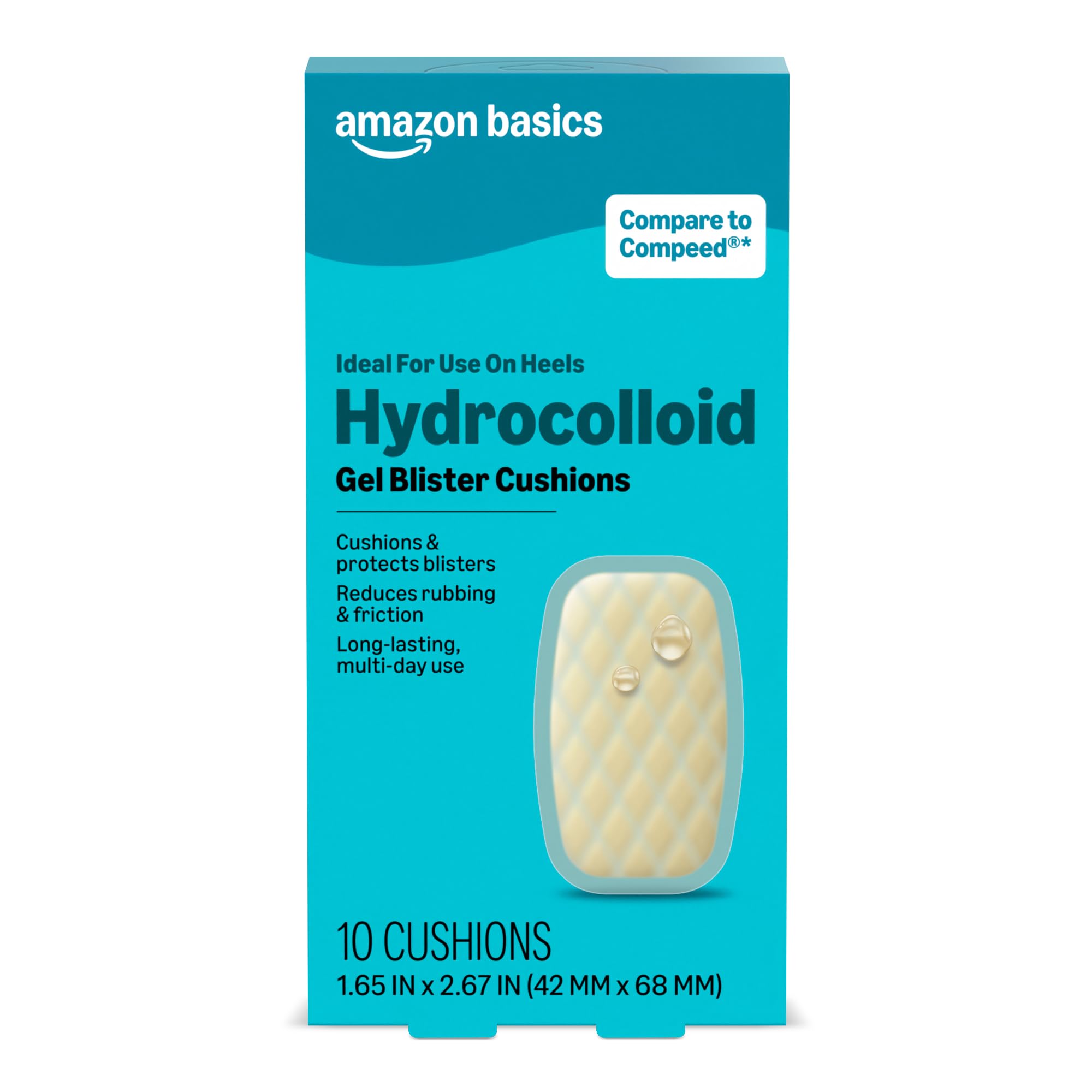
3. Amazon Basics Extreme Blister Bandages
Best Budget Heel Patch
Key Features
- Wear: Multi-day
- Material: Hydrocolloid gel
- Pack count: 10
- Patch size: 1.65 in x 2.67 in
- Price: Budget
Most travel blisters start at the back of the heel, and Amazon Basics builds its box around that one spot. The 10-count pack contains 1.65 by 2.67 inch hydrocolloid gel patches, not a shape library. If that is where your shoes rub, the simpler box is the better buy.
We like it as the budget pick because the larger footprint covers more of the heel than a spot bandage, and the gel patch flexes instead of sitting like a stiff pad. The 10-count box is enough for a trip without taking up much room. The paper backing takes patience to peel, so start at a corner and line the patch up before you press it down.
This is not the patch for a toe blister or a curved side wall of the foot; the heel shape is the whole point. For the money, it is a sensible way to cover the spot that causes most walking-trip misery.
Pros
- Larger heel coverage
- Flexible hydrocolloid gel
- 10-count budget box
Cons
- Adhesion can weaken in heavy sweat
Buy Amazon Basics for heel blisters when you want a larger, flexible patch and a budget-friendly 10-count box; it is the value pick for the back of the heel.
4. Compeed Blisters Mixed Pack
Best Cushioning for Dress Shoes
Key Features
- Format: Mixed pack
- Material: Hydrocolloid gel
- Cushioning: Deep
- Edge design: Tapered
- Price: Premium
Dress shoes are where blister patches get judged unfairly: the patch has to cushion a hot spot without showing at the edge of a strap. Compeed’s mixed pack is built for that narrow job, with deep gel cushioning and tapered edges that flex with the foot instead of lifting at the first step.
The hydrocolloid gel creates a soft barrier over the blister, and the translucent edges blend in better than a tan fabric bandage. On a high heel or an ankle boot, the patch’s job is to stop the shoe from rubbing the same spot raw; the cushioning here is among the deepest of the picks that still fit under a strap.
We like this pack most for a dressy weekend or an evening out, when a bulky patch would be as annoying as the blister. It is not the patch to choose for a muddy hike or a sock that will grind it all day—the priority here is pressure relief in a dressier shoe. Keep the skin dry and free of lotion before applying, and give the edges a firm press.
Pros
- Deep cushioning for heel pressure
- Tapered edges flex with the foot
- Translucent, low-profile finish
Cons
- Premium price for a mixed pack
Buy Compeed when a blister sits under a dress shoe and you want deep cushioning without a bulky patch; the tapered edges make it the dressiest pick here.
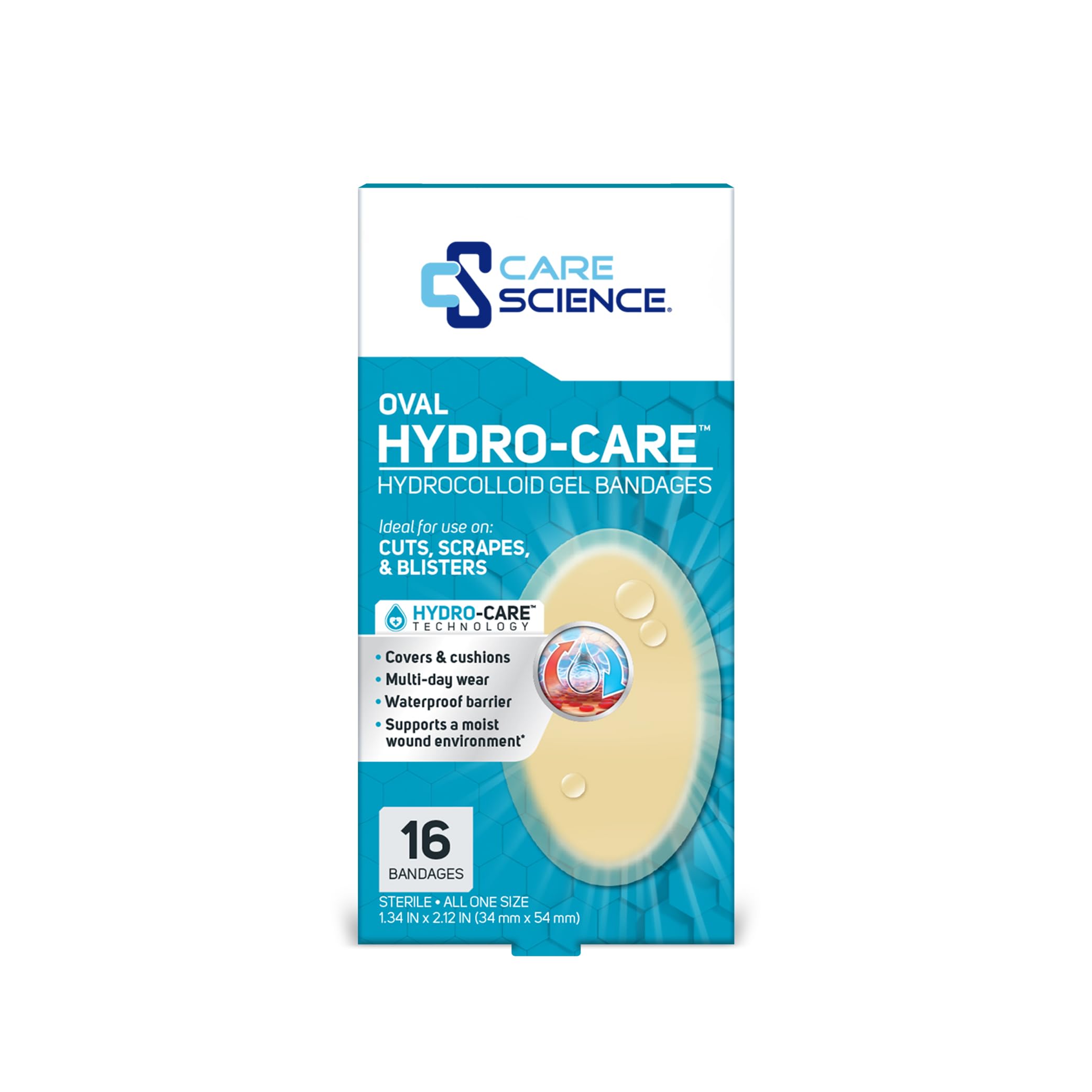
5. Care Science Hydrocolloid Bandages
Best Waterproof Bulk Pack
Key Features
- Wear: Multi-day
- Pack count: 16
- Patch size: 1.3 in x 2.1 in
- Waterproof: Yes
- Price: Midrange
The 16-count box is the Goldilocks size in this group: bigger than a pocket kit, smaller than a bulk stash. Care Science’s patches measure 1.3 by 2.1 inches, a useful middle size for heels and wide toes, and each one is a waterproof hydrocolloid barrier rather than a fabric bandage.
The patch is designed for multi-day wear, which is the right ambition for a travel kit. A sealed hydrocolloid cover keeps moisture in and grit out, and it cushions a hot spot without a separate pad. The size is large enough to cover a heel blister with a little margin, which is where a patch earns its keep; too small and every step pulls at the edge.
We also like the 16-count math for a longer trip. It gives you room to reapply after a shower, share with a travel companion, or keep a few in a day bag without emptying the box. The box is small enough to pack but generous enough to leave a few behind.
This is the pack we choose when we want a waterproof supply that does not feel like a commitment to a whole season of foot trouble. It is the practical middle ground between a minimalist kit and a bulk box.
Pros
- 16-count mid-size pack
- Waterproof hydrocolloid barrier
- Multi-day wear
- 1.3 by 2.1 inch coverage
Cons
- Adhesive can irritate sensitive skin
- Waterproofing can weaken with heavy sweat
Buy Care Science for a waterproof 16-count pack that covers a week of walking without a bulk-stash footprint; it is our practical middle ground.
6. Promifun Blister Pads
Best for Long Walking Trips
Key Features
- Shapes: 4 shapes
- Material: Hydrocolloid gel
- Pack count: 28
- Water resistance: Water-resistant
- Price: Premium
For a three-week walking trip, running out of patches is its own kind of travel disaster. Promifun’s 28-piece pack is built for that fear: four shapes, a water-resistant hydrocolloid gel, and enough patches that you are not rationing them by day three.
The variety is the useful part. Heel, toe, and spot shapes cover the places where new shoes rub, and the thinner patches fit inside a tight toe box without bunching. The cushions are soft enough to dull a hot spot without feeling like a pebble in your sock. It is a bigger box than a minimalist kit needs, but for a long trip the extra volume is the point.
We like this pack most for trips where walking is the main event. It gives you room to try a heel piece on one blister and a toe piece on another, then replace a patch after a shower without worrying about the count. That is a different job from the compact kit at the top, and it is the one this pack does well.
Pros
- 28 patches in four shapes
- Water-resistant hydrocolloid cushioning
- Good for long walking trips
Cons
- Adhesion varies with sweat
Buy Promifun for a long walking trip when you want a big supply of shapes in one pack; it is the stock-up pick here for multi-day travel.
7. KT Health Blister Treatment
Best for Multi-Day Wear
Key Features
- Material: Hydrocolloid gel
- Wear time: Up to 7 days
- Pack count: 8
- Waterproof: Yes
- Price: Midrange
KT Health makes the boldest wear-time claim in this group: up to seven days per patch. We treat that as a ceiling rather than a promise, but it tells you what the patch is for—training, long hikes, and races where you are not stopping to change a bandage every few hours.
The patch is a waterproof hydrocolloid gel, and KT says it is hypoallergenic and free of rubber and latex. The 8-count box is small, so it suits a race kit or a hiking pouch rather than a family first-aid drawer. The patch conforms to the skin and is meant to stay flexible through movement, which is the right priority for a heel or a toe that is already sore.
What we cannot do is promise seven days on your foot; sweat, placement, and shoe fit decide that. What we can say is that this is the pick to try when long wear matters more than having a shape for every possible blister. Apply it to clean, dry skin and leave the edges alone once they are pressed down.
Pros
- Up to seven days of wear
- Waterproof hydrocolloid gel
- Latex-free and hypoallergenic
Cons
- Only eight patches per box
Buy KT Health for a multi-day hike or race when you want a patch designed to stay on for days; it is the long-wear specialist here.
8. Viybtue Hydrocolloid Blister Bandages
Backup Stash

Key Features
- Format: Variety pack
- Material: Hydrocolloid
- Pack count: 36
- Waterproof: Yes
- Price: Budget
The 36-piece Viybtue box is less a travel kit than a small clinic. You get a mix of hydrocolloid patches in assorted sizes, enough to cover a group, a long trip, or the friend who always forgets their own first-aid bag.
We like the variety for the price. The patches are waterproof and thin enough to sit under a sock, and the range of sizes means you can cover a small toe or a wider heel without cutting a patch down. The individual wrappers make it easy to toss a few in a day bag and leave the box at the hotel.
This is not the box we reach for first when a long walking day is ahead. It is the one we leave in the suitcase for backup, or hand to a friend who has not packed anything.
We like it best as a group-trip stash: the 36-piece count means you can share without hoarding, and the assortment covers the odd toe or heel blister that a single-shape box misses. If you are packing for a group, that generosity is worth more than a perfect edge seal on every patch.
Pros
- 36 assorted patches
- Waterproof hydrocolloid
- Individually wrapped for travel
Cons
- Adhesion can fail in sweaty shoes
- Edges can lift before the patch wears out
Buy Viybtue for a low-cost backup stash of assorted patches for a group trip or a just-in-case kit; it is not our first-choice patch.
How We Tested Blister Bandages on Real Trips
We started with research: pulling every hydrocolloid blister bandage sold in packs small enough to actually travel with, then filtering by material (a gel-forming hydrocolloid pad, not a plain gauze square), shape assortment, count per box, whether the label said latex-free, and cost per bandage. That narrowed it to 15 options, which we wore over four months.
Testing happened where blisters happen — new shoes broken in over a five-day trip, twelve-mile days on pavement and cobblestone, a sprint through an airport terminal dragging a rolling bag, two day hikes, and one hot afternoon at a theme park. I applied each bandage at the first warm rub and checked it every few hours, noting whether the edges curled after two hours inside a sock, whether the pad slid sideways in a loose shoe, and whether it survived a hotel shower and a night’s sleep.
Durability got judged by how long I could leave one on before the cushion flattened enough that I felt the shoe again; some made it three days, others lifted by dinner. On removal, I looked for redness or a raw ring around the pad to flag irritation, and I traced each pad against my heel and big toe to see whether the shape cupped the curve or wrinkled at the edges. When a blister had already opened or bled, I watched whether the pad pulled fluid away and held its seal.
Value came last: cost per bandage measured against how many shapes in the pack were actually usable, since a variety box that’s mostly tiny dots isn’t a bargain.
How to Choose Blister Bandages for Travel
The right blister bandage for travel is the one that stays sealed through a sweaty day and takes up almost no room in your bag; everything else is a detail.
Match the patch to the blister’s location
A heel blister and a toe blister are not the same shape problem. Heel patches are wider and curved to cover the back of the foot; toe and spot patches are smaller so they do not bunch in a tight toe box. A variety pack is the safest travel choice because you do not know which shoe will rub first. Dr. Frederick’s and Promifun both sell mixed-shape packs, while Amazon Basics keeps it simple with a heel-only box. If you mostly get one kind of blister, a single-shape pack is cheaper and easier to pack.
Adhesion matters more than cushioning
A thick cushion is useless if the patch lifts at the edge and rolls under a sock. Clean, dry skin is the foundation; sunscreen, lotion, and sweat are the enemies. Press the patch down for a full minute, especially around the edges, and avoid touching the adhesive with your fingers. Tapered edges help on curved areas, which is one reason Compeed’s dress-shoe patch works well. If you are applying one on the trail, wipe the skin with a dry cloth first and let it air for a moment.
Cushioning and low profile
Hydrocolloid gel cushions by sealing a soft layer over the blister, but thicker is not always better. A deep pad is welcome under a boot or a heel strap; a thin patch is easier under a tight dress shoe or a toe box. The top pick sits in the middle, while Compeed leans toward deep cushioning and KT Health toward a flexible, long-wear film. Think about the shoe you will wear most, not the worst-case hike.
Waterproofing and wear time
Waterproof and multi-day claims are useful, but they are ceilings. A patch that stays put through a shower may still lift after a long, sweaty walk. Hydrocolloid can stay on for several days if the seal is intact; change it sooner if water gets under the edge or the white bubble starts to leak. Pack more patches than you think you need for a walking trip, especially if you are wearing new shoes.
Pack size and travel kit
For a week-long trip, a dozen assorted patches is more useful than a 36-count box of one shape. A small box disappears into a dopp kit; a bulk pack is better left in the suitcase for backup. Individually wrapped patches stay clean and are easier to share. If you are packing for a group, a bigger assortment can be worth the space; if you are carrying only a day bag, a six-count box or a few loose patches is enough.
Frequently Asked Questions
Can I use a blister bandage on a blister that has already popped?
Only if the skin is clean and the wound is not infected. A hydrocolloid patch is designed to seal over an intact blister or a clean hot spot; some labels say not to apply one directly to broken skin. If the roof is torn, clean gently, cover with a sterile dressing, and watch for redness, swelling, or pus. See a clinician if the area is hot, painful, or spreading.
Are blister bandages allowed in a carry-on bag?
Yes. Adhesive bandages are not liquids, so they do not count toward the 3-1-1 limit. Keep a few in a zip pouch with your first-aid supplies. If you also pack antiseptic wipes, gel, or a spray, those follow the usual carry-on liquid rules.
What is the difference between a blister bandage and moleskin?
Moleskin is a felt-like friction barrier that you stick around a hot spot to stop rubbing. A hydrocolloid blister bandage seals over the blister itself, cushions it, and keeps water and dirt out. For travel, carry both if you are breaking in new shoes: moleskin for prevention, a hydrocolloid patch for a blister that has already formed.
Final Verdict
Buy the Band-Aid Pro Heal six-count for the travel kit. It is the best all-around patch here: a waterproof hydrocolloid cover that cushions a blister without bulk, in a box small enough to forget about until you need it. The small size is the trade-off; for a full-heel blister or a long walking trip, step up to Dr. Frederick’s variety pack or Promifun’s 28-piece stock-up.
If your blister is under a dress shoe, choose Compeed for the deep cushioning and tapered edges. If you want a bigger waterproof supply without a bulk-stash footprint, Care Science‘s 16-count box is the middle ground. Clean and dry the skin first; no patch adheres well to sunscreen or lotion.