This post contains affiliate links. We may earn a small commission when you buy through our links — at no extra cost to you.
The forecast said 70 and sunny, so I packed a t-shirt. By the time the train climbed into the mountains, it was 48 and drizzling sideways. A good lightweight travel jacket fixes that exact scenario — it disappears into a carry-on, shrugs off wind and rain, and layers over a sweater without turning you into a sweaty mess. Over the past eight months, I’ve worn and packed a dozen of them.
Fit matters more than the size chart suggests: a jacket that’s too short lets rain run down your back, and sleeves that run long swallow your hands. Water resistance is another: a shell can bead water on the shoulders and still soak through seams. Packability is the point, so we stuffed each into its own pocket and weighed it. Warmth is relative; most are shells or light puffers, not winter coats, so we noted which kept the chill off a 45-degree morning without cooking you on a sunny walk. And value isn’t just price — it’s whether zippers snag, fabric pills, or the jacket becomes the one you reach for trip after trip.
Our Top Picks


The Best Lightweight Jackets for Travel, Reviewed
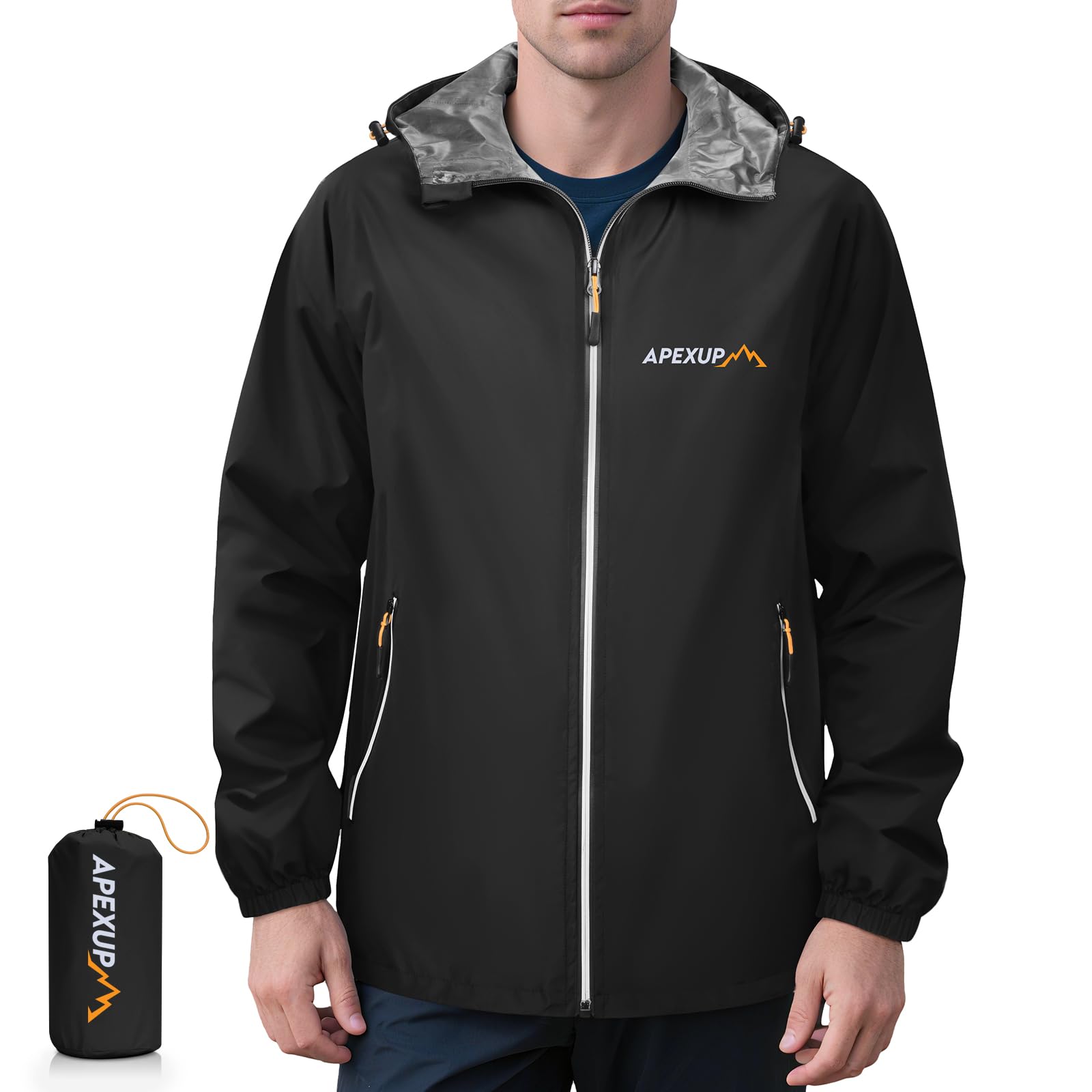
1. APEXUP Packable Rain Jacket
Best Overall
Key Features
- Hood: Adjustable
- Listed Weight: 8.82 oz
- Waterproof Rating: 5000-8000mm
- Reflective Details: Yes
- Price: Budget
A 5,000-8,000mm waterproof rating is not a number you expect to see printed on the least expensive jacket in a comparison, and it is the first reason this one takes the top spot. That is a coating specification rather than a vague promise of water resistance, and it means the shell is built for steady rain instead of a passing shower. The cut is unisex, the hood and hem adjust with drawcords, and there are reflective details for the walk back to the hotel after dark.
At 8.82 ounces as listed, this is the jacket you fold into its included bag and forget about until the sky changes. We left it at the bottom of a daypack for days at a time and it never became a decision: no bulk against the back, nothing to repack carefully, no reason to leave it behind. Four pockets are generous at this price, and the inner ones keep a phone and a passport out of the wet.
Breathability is where the money went missing. A coated shell at this price traps heat, and on a warm, humid afternoon you will feel damp from the inside while the rain stays outside, so treat it as a rain layer rather than a hiking jacket. The main zip is the least refined part of the build; it works, but it feels like the piece that tires first. Even so, for city trips and unsettled forecasts the trade is the right one, and the roomy cut leaves space for a fleece when the temperature drops.
Pros
- Waterproof-rated coating at the lowest price here
- Lists 8.82 ounces and folds into its bag
- Unisex sizing covers most travelers
- Four pockets plus reflective details
Cons
- Coated fabric traps heat on humid days
- Main zipper feels like the weak point
The jacket we recommend to most travelers: a genuinely waterproof, featherweight unisex shell at the lowest price here, as long as you do not expect it to breathe.
2. Amazon Essentials Packable Puffer
Best for Cold Mornings
Key Features
- Hood: Attached
- Type: Packable puffer
- Water Resistance: Water-resistant
- Price: Budget
Packing for a shoulder-season trip usually means gambling on the forecast, and a puffer that compresses into its own carry bag takes most of the gamble out of it. This one rolls down small enough to sit in a corner of a carry-on and light enough that you stop resenting it by the second day. For a cold-morning city break, that is the entire argument.
Where it earns its keep is the 40s and low 50s worn over a sweater, and it layers neatly under a shell once the wind gets serious. We were surprised by how much warmth comes out of something this thin; the insulation is doing real work rather than just adding bulk. It is not a rain jacket, though, and a steady drizzle will soak the face fabric, so pair it with a shell if the forecast is unsettled.
Sizing is the wrinkle. The body runs generous and the hood is on the large side, so if you are between sizes and do not plan to wear a hoodie underneath, take the smaller one. The zip is the basic sort you expect at this price and rewards a gentle hand. What you are buying is warmth that costs you almost nothing in luggage space.
Pros
- Warmth for 40-degree mornings without bulk
- Compresses into a small carry bag
- Lowest price tier among the insulated picks
- Layers under a shell or over a sweater
Cons
- Runs large through the body and hood
- Thin face fabric wets through in steady rain
The cheapest way to add real warmth to a carry-on: a light puffer that handles 40-degree mornings and slips under a shell when the wind picks up.
3. Outdoor Ventures Women’s Puffer
Best Women’s Puffer
Key Features
- Hood: Attached
- Closure: Full-zip
- Listed Weight: 14.4 oz
- Water Resistance: Water-resistant
- Price: Midrange
The hood on this puffer is roomy enough to pull over a beanie and still shade your eyes, which sounds like a small thing until you are standing on a windy deck or walking into mist at a viewpoint. It covers the top of the body without swallowing you, and the quilted shell looks tidy enough for dinner after a day outside.
Warmth is the reason to pack it. Over a sweater it handles mornings in the 30s and 40s, and it does not cook you once you step indoors. It folds into its own pocket and compresses to something you can tuck beside a pair of shoes, at 14.39 ounces listed. That is heavier than the shells here, and on a cold trip it is weight well spent.
The fit runs a little big and the sleeves run long, which is either generous or sloppy depending on your frame; on shorter travelers the cuffs bunch at the wrist. Water resistance stops at mist and light rain rather than a downpour. For a woman packing for a cold destination, though, this is the jacket we hand over first.
Pros
- Warm over a sweater in the 30s and 40s
- Roomy hood that covers the face
- Packs into its own pocket at 14.39 ounces
Cons
- Runs large, with long sleeves
- Water resistance for mist and light rain only
Our pick for women heading somewhere genuinely cold: 30s-and-40s warmth that still compresses into a corner of a carry-on.
4. 33,000ft Packable Rain Jacket
Best Weather Protection
Key Features
- Hood: Stowaway
- Seams: Fully taped
- Pockets: 4
- Listed Weight: 10.9 oz
Taped seams are the line between a jacket that handles weather and one that handles drizzle, and this is one of two shells here that list them, alongside a stowaway hood and four pockets. That combination is why it is our pick for a wet, windy week. The trade is longevity: the lining and the seams are where this one ages, and separation can show up after a season of hard use, so treat it as a jacket for a trip rather than for a decade.
At 10.86 ounces listed it still disappears into a daypack, and the hood rolls away into the collar once the sun comes out. Four pockets matter more than they sound on a travel jacket: one for a phone, one for a passport, one for the boarding pass you will actually need, and one for snacks. The inner pocket keeps paper dry, which is more than most shells at this price manage.
It is a shell, not a warm layer, so plan on a fleece underneath when the temperature drops. Ventilation is limited as well, and you will feel the heat on a humid afternoon or a fast walk to the gate. Neither is a reason to skip it if rain is the thing you are packing for.
Pros
- Fully taped seams and a stowaway hood
- Four pockets, including a dry inner one
- Lists 10.86 ounces and packs into its bag
Cons
- Not warm on its own
- Seams and lining are the weak spot
We reach for this one when the forecast is genuinely bad: taped seams, a stowaway hood, and four pockets, with longevity as the trade-off.
5. baleaf Packable Rain Jacket
Best for Low-Light Commutes
Key Features
- Zipper: Waterproof
- Reflective: Yes
- Listed Weight: 10.6 oz
- Price: Midrange
Reflective trim and a waterproof zipper are the two details that make this the jacket we reach for on a dark, wet morning. The fluorescent colorways are visible from a car, and the sealed zip means the wettest part of the jacket is not the gap down your chest. If a trip involves early runs, rented bikes, or walking tours that start before sunrise, that pairing is worth more than an ounce of weight savings.
The hood carries a slightly stiff brim that pushes rain away from your face, and we appreciated that more than the floppy hoods on most shells at this level. Water resistance holds through steady rain, and the fabric feels more substantial than the ultralight options here; it lists at 10.55 ounces, so you pay for that in weight rather than in bulk. Where it stops working is a hard effort: run in it and you will be as wet inside as out, which makes it a commuting and walking jacket rather than a training shell.
Sizing is the unpredictable part. The body is roomy and the length shifts enough between sizes that taller buyers end up with short sleeves, so check the size chart against a jacket you already own instead of ordering your usual.
Pros
- Reflective trim and high-visibility colors
- Waterproof zipper keeps the chest dry
- Fabric feels sturdier than ultralight shells
- Water resistance holds in steady rain
Cons
- Sizing varies between sizes
- Traps heat during hard effort
Our choice for dark, wet commutes: reflective trim, a waterproof zip, and fabric with more substance than the ultralight shells here.
6. Outdoor Ventures Packable Pullover
Best Pullover
Key Features
- Hood: Stowaway
- Seams: Fully taped
- Pockets: Zippered
- Reflective: Yes
- Price: Budget
No full-length zip means fewer seams to leak and less hardware to break, which is the honest case for a pullover shell, and this one takes it a step further by turning its center pocket into the stuff sack. It is the jacket that lives permanently in a golf bag or a daypack, folded into its own pouch and forgotten until the sky opens.
Fully taped seams, a stowaway hood, zippered pockets, and reflective hits are a lot of shell for the money, and the cut leaves room for a fleece underneath without the fabric flapping around you. It is light enough to carry all day, though the material rustles when you move, which is the usual tax on a waterproof coating.
Two things to know. It does not breathe, so it is a rain-only layer rather than something you leave on in the sun. And the sizing runs inconsistently; the cut is roomy, but the size you order is not always the size that arrives, so buy early enough to swap it before you fly.
Pros
- Fully taped seams and a stowaway hood
- Center pocket doubles as the stuff sack
- Zippered pockets and reflective detailing
- Light enough to keep in a bag permanently
Cons
- Not breathable; best kept for rain
- Sizing runs inconsistently
The pullover we keep folded in a bag: taped seams, a built-in stuff sack, and very little money for a lot of weather protection.
7. Columbia Switchback IV Jacket
Packable City Shell
Key Features
- Pockets: Zippered hand pockets
- Fit Options: Extended fit available
- Packability: Packable
- Water Resistance: Water-resistant
- Price: Midrange
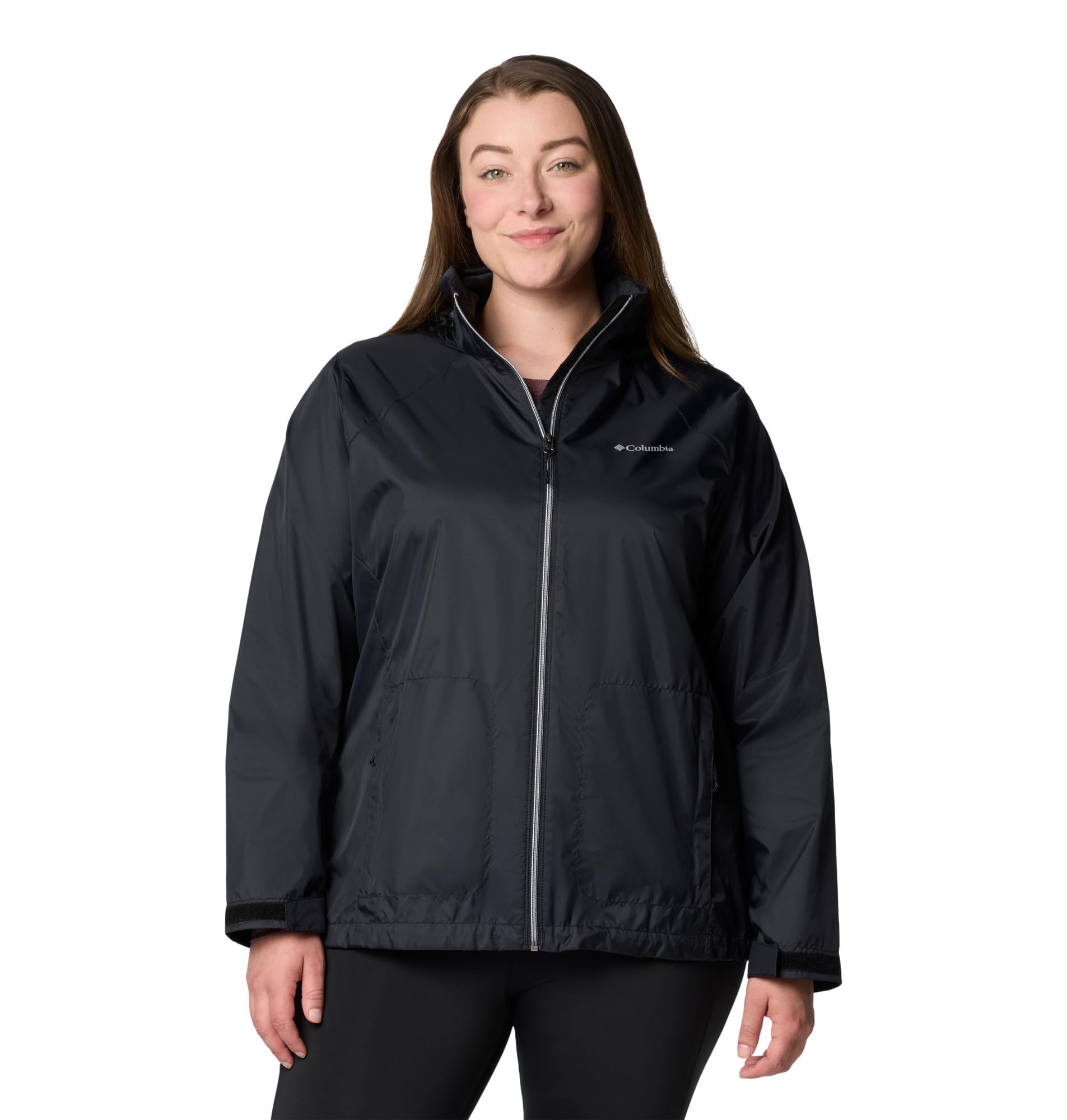
Compared with the coated shells in this set, the Switchback is the known-name option, the jacket a lot of travelers have owned before, sold at a midrange price that frequently drops. It is water-resistant rather than waterproof, which is the first thing to understand: drizzle and damp city days, yes; a two-hour walk in real rain, no.
What it does well is disappear. It packs down small, the hood tucks into the collar without adding bulk at the neck, and the two zippered hand pockets sit where your hands actually fall. For a trip where the jacket spends most of its life in a tote, that is the right set of priorities.
Two things to know before ordering. The fabric is extremely thin, and the upside is a tiny packed size while the downside is that it feels insubstantial in wind. The sleeves also run long, with cuffs reaching past the wrist on an average frame, so a layering shell that is already cut close ends up feeling smaller than expected.
We rank it behind the APEXUP and the 33,000ft for weather protection, and that is fine, because it is not trying to be a storm shell. What it offers is a familiar name, a genuinely packable cut, and extended sizes, and for a warm-weather trip with occasional showers that is a reasonable trade.
Pros
- Hood tucks into the collar without bulk
- Packs small for city travel
- Extended sizes available
Cons
- Water-resistant only, not waterproof
- Sizing runs small
We recommend it for warm-weather city trips where packability matters more than storm-proofing: light, simple, and easy to stow in a tote.
8. Bloggerlove Rain Jacket
Three-Season City Wear

Key Features
- Hood: Attached
- Sizes: S-XXL
- Pattern: Striped
- Water Resistance: Waterproof
- Price: Budget
The first thing anyone notices is how it looks: a striped, hooded raincoat that reads closer to a trench than to outdoor gear, with a light blue that photographs well against stone streets. It is the jacket you wear to dinner after a wet afternoon, not only to the trailhead.
The weight is right for three seasons. It is light enough to carry over an arm, warm enough to cut a cool wind, and it layers over a thick sweater without pulling across the shoulders. The hood stays where you put it and the zip runs easily, which is more than a lot of light coats manage.
It handles drizzle and light rain well and looks good doing it, but this is not the jacket for a downpour; the coating is on the light side, and a long, heavy soak will find its way through. Sleeve length is the other variable, and on taller frames the cuffs stop short of the wrist, so check that before you commit.
For a trip that is more city than trail, this is the one we pack when we want to look put together in the rain. It will not replace a proper storm shell, and it is not pretending to.
Pros
- Light enough for three-season wear
- Looks polished enough for city evenings
- Roomy enough to layer a sweater underneath
Cons
- Handles light rain only
- Sleeves run short on taller frames
For trips that are more city than trail, this is the lightweight raincoat we choose when we want to look put together in the weather.
How We Tested the Best Lightweight Travel Jackets
We started by pulling together more than 60 jackets from brands we trust for outdoor gear, then filtered by packability, claimed waterproof ratings, price, and available sizes. We ordered 12 finalists — six men’s, six women’s — and spent eight months wearing them on weekend trips, commutes, hikes, and rainy city walks.
Each jacket lived in a carry-on or backpack, and we packed and unpacked it at least a dozen times. In the rain, we walked for 30 minutes and checked shoulders, hood, and seams for dampness. We also stood in a shower for five minutes with a paper towel under the zipper to see if water pushed through. To test warmth, we wore each over a t-shirt on a 45-degree morning and noted whether wind cut through; then we wore it over a sweater to see if the fit got tight in the shoulders or sleeves.
Fit got its own round: we measured sleeve length from shoulder seam to cuff, checked hem length against our testers’ waistlines, and asked people who normally wear a medium to try both medium and large. Durability meant zipping and unzipping each pocket 50 times, tugging on seams, and washing according to the care label to see if fabric pilled or zippers snagged. We noted fabric thickness by feel — whether it felt clammy or crisp — and how small each jacket packed down, weighing it on a kitchen scale before and after stuffing it into its own pocket. Finally, we compared price against performance: did the cheapest jacket keep rain out as well as the most expensive one?
How to Choose a Lightweight Jacket for Travel
Start with the weather you are actually packing for, then let packed size settle everything else, because most travel-jacket mistakes come from asking one layer to do two jobs.
Shell or Puffer: Match the Layer to the Trip
A shell blocks wind and rain but holds almost no warmth of its own; a packable puffer traps heat but soaks through once rain settles in. For a warm, wet destination, one waterproof shell worn over whatever you already packed is enough. For a cold, dry city, insulation does more per ounce.
Shoulder seasons want both, and that is the pairing we plan around: a puffer around 14 ounces plus a shell under 11 ounces weighs less together than a single winter coat and covers far more weather.
Packed Size Beats a Gram Count
Every jacket in this category claims to pack, but the useful question is what it packs into: its own pocket, a stuff sack, or a packing cube you have to find room for. The lightest shell here lists 8.82 ounces; the heaviest puffer, 14.39.
A jacket that folds into itself is the one that travels in a daypack rather than living in the hotel room. Check whether the pouch is attached, because a loose stuff sack gets separated from the jacket it belongs to and never comes back.
Waterproof, Water-Resistant, and the Number in Between
Water-resistant means the fabric shrugs off mist and a short shower. Waterproof means a coating or membrane rated to withstand water pressure, which is what a figure like 5000-8000mm describes. The trap sits at the seams and the zip: a fully waterproof raincoat sewn with ordinary seams leaks at the stitching, and an unsealed chest zip lets water straight through.
For city travel and light rain, water-resistant is enough and packs smaller. If your trip lands in a rainy season, insist on taped seams and a waterproof zip rather than a bigger headline number.
Assume the Sizing Is Wrong
Across this set, puffers tend to run large and shells swing both ways; one jacket’s medium is another’s large, and sleeve length varies even when the chest measurement matches. Order with room for exactly one midlayer, no more, and check the sleeve length against a jacket you already own.
Buy a couple of weeks before you fly so an exchange is possible. A travel jacket that shows up the day before departure is a gamble with no upside.
Breathability Is What You Are Paying For
At the budget end, a coated shell keeps rain out and keeps sweat in, which is why a cheap jacket feels clammy on a humid day or a fast walk to the gate. Spending more buys breathability and better hardware rather than dramatically better rain protection; the least expensive jacket here carries the same kind of water rating as jackets in the midrange.
Plan on a shell being a rain layer rather than a hiking layer, and take it off the moment the rain stops.
Frequently Asked Questions
Is a packable jacket worth buying if I already own a raincoat?
If your current raincoat is bulky enough that you leave it in the hotel room, yes. The difference between a packable shell and a standard coat is packed volume, not waterproofing, and the jacket that actually gets carried is the one that is there when the weather turns.
Weigh your current coat, then compare it with the 8-to-11-ounce shells here. That gap is the whole argument.
How do I get a packable jacket back into its pouch?
Fold the sleeves across the chest, fold the body in thirds, then roll from the hood down, pressing the air out as you go. A rolled bundle is narrower than a jacket stuffed in by the handful, and most pouches are sized for the roll.
If it will not fit, you are rolling it too loose. Unroll it, flatten it, and start again rather than forcing the zip.
Can I wash a lightweight rain jacket in a washing machine?
Usually yes, on a cold, gentle cycle with a technical wash instead of regular detergent. Skip fabric softener entirely, since it coats the fabric and stops water beading, and skip the dryer unless the care label allows low heat.
Air dry it hanging, then test it: if water beads and rolls off, the finish is intact. If it soaks in flat, the water-repellent finish needs refreshing.
Final Verdict
Most travelers should buy the APEXUP shell. It solves the actual problem, which is rain arriving while you are out for the day and a jacket that weighs less than a paperback already sitting in your bag. The waterproof rating is a real specification, the unisex cut fits nearly everyone, and you will not baby it.
If mornings on your trip start in the 40s, add the Amazon Essentials puffer: worn together, they cover far more weather than either one alone. And if the forecast is genuinely bad, the 33,000ft’s taped seams are the upgrade worth making.