This post contains affiliate links. We may earn a small commission when you buy through our links — at no extra cost to you.
Long-haul flights test headphones in ways a daily commute never does. A 60-hour battery life means nothing if the clamping force leaves you with a headache by hour three, or the ear cushions trap heat until you need a break. And when you want to tune into the seat-back film, discovering there’s no 3.5mm jack to plug in can feel like a design oversight.
The market is flooded with options that overpromise on noise cancellation and playtime while skimping on the physical realities of travel. Plastic hinges that snap after a dozen trips, earcups that slip forward every time you lean down, and adaptive ANC that fluctuates unpredictably — these aren’t rare quirks, they’re recurring patterns. This roundup cuts through the noise, spotlighting models that truly balance long-wear comfort, dependable ANC, and that vital wired connection to in-flight screens.



1. Soundcore Q20i
Best for Budget All-Rounder
Key Features
- ANC: Hybrid ANC
- Battery Life (ANC On): 40 hours
- Comfort & Fit: Memory foam cushions
- Wired Connection: Included 3.5mm jack
- Portability: 259g, folds flat
- Price: Budget
The Soundcore Q20i delivers a genuine 40 hours of active noise cancellation on a single charge — enough for multiple transatlantic flights without reaching for the charging cable. The hybrid ANC system cuts persistent cabin hum and engine drone effectively, creating a quiet bubble that rivals headphones costing twice as much. A 3.5mm aux input means you can plug directly into seatback screens when airlines request Bluetooth off, keeping your entertainment uninterrupted.
Sound is clean and balanced with a mild bass lift that works well for movies and music. The memory foam earpads and 259-gram weight keep pressure low during hours of wear, which matters on a long-haul flight where you’re stuck in one position. The Soundcore app offers a five-band EQ so you can fine-tune the profile to your taste, and preset modes like “Travel” and “Voice” handle common scenarios without fuss.
This headset is built for the budget-conscious traveler who prioritizes cabin quiet, battery endurance, and the option to stay wired. The main tradeoff: the fit relies on moderate clamping force, and some head shapes feel the headphones shift when bending forward or looking down — something to check if your pre-flight routine includes digging through a carry-on under the seat. For seated use with minimal head movement, the hold is entirely stable.
Pros
- Clear, well-balanced sound with adjustable EQ
- Effective noise cancellation that quiets most ambient noise
- Exceptional value — features typical of pricier models
- Comfortable over‑ear design with memory foam suitable for long wear
- Battery life consistently meets or exceeds the rated 40 hours with ANC
Cons
- Fit can feel loose for some head sizes, causing slippage when leaning forward or bending down
For travelers who want solid ANC and marathon battery life without spending premium money, the Q20i is the sensible buy — just confirm the fit works for your head shape before committing.
2. Bose QuietComfort
Best for Comfort-First Flyer
Key Features
- ANC: Active Noise Cancellation
- Battery Life (ANC On): 24 hours
- Comfort & Fit: Plush cushion design
- Wired Connection: Included 3.5mm jack
- Portability: 238g, folds flat
- Price: Premium
Bose’s QuietComfort headphones set the standard for all-day wear on long flights, thanks to plush over-ear cushions and a padded headband that distribute weight evenly. The active noise cancellation effectively silences cabin drone, making it easier to focus on music or movies without turning up the volume.
The Bluetooth connection uses version 5.1, which handles most scenarios reliably, but in environments with heavy wireless congestion—such as busy airport terminals or crowded plane cabins—occasional audio dropouts, crackling, or stuttering can occur. Keeping the included 3.5mm cable handy provides a wired workaround when using seat-back entertainment systems.
For travelers who prioritize comfort and noise cancellation above all else—and who primarily listen to pre-loaded content or use wired connections—the QuietComfort headphones are a natural fit. However, if you depend on rock-solid wireless performance for voice calls or streaming in busy terminals, the occasional connectivity hiccup may be frustrating. Also, some units have shown microphone reliability decline over time, so video calls are better handled on a dedicated headset.
Pros
- Plush over-ear cushions and padded headband deliver remarkable comfort for extended wear.
- Active noise cancellation effectively blocks engine hum, chatter, and other low-frequency noise.
- Clear, balanced sound with adjustable EQ via companion app.
- Solid battery life (24 hours with ANC) plus quick-charge support.
Cons
- In crowded wireless environments, Bluetooth audio may drop out or stutter occasionally.
- Microphone performance can degrade over time, with some units experiencing call quality issues after extended use.
If plush comfort and powerful ANC are your top priorities for long flights, the QuietComfort headphones deliver—but be prepared to use the wired cable if your environment proves tough on Bluetooth.
3. JLab JBuds Lux ANC
Best for Wireless Streamer
Key Features
- ANC: Hybrid ANC (35dB)
- Battery Life (ANC On): 40 hours
- Comfort & Fit: Cloud Foam earcups
- Wired Connection: No 3.5mm jack
- Portability: 235g, folds flat
- Price: Budget
The JLab JBuds Lux ANC brings Dolby Atmos spatial audio and a 70-hour battery to the budget segment — features typically reserved for more expensive headphones. Cloud Foam earcups stay comfortable and cool during long listening sessions, and the hybrid ANC (up to 35dB) keeps cabin noise at bay. This is a headphone that punches above its price point for wireless audio and all-day wear.
This pair is built for travelers who stream everything from their own devices and value long battery life over wired flexibility. The 70-hour total playtime (40+ with ANC) easily handles a transatlantic flight plus days of use. However, the absence of a 3.5mm jack means you cannot plug directly into seat-back entertainment systems without a Bluetooth transmitter. If you rely on inflight movies or need a backup wired mode, the top-pick Soundcore Q20i (with its 40-hour battery and standard jack) is a better fit.
Sound quality is clear and detailed for the category, with spatial audio support for Dolby Atmos, Tempest 3D, and Windows Sonic adding a wider soundstage than typical budget cans. The 40mm drivers deliver a balanced profile that doesn’t overemphasize bass, making it suitable for podcasts and music alike. Bluetooth 5.0 provides stable connectivity, though the lack of multipoint may be a consideration for multi-device users.
Pros
- Rich, clear sound with spatial audio that expands the listening field beyond typical budget headphones.
- Cloud Foam earcups stay comfortable and cool during extended wear, even on long flights.
- Battery life covers a transatlantic flight and then some — 70+ hours total, 40+ with ANC.
- Exceptional value for the price, often drawing comparisons to pricier models for feature set.
Cons
- On a plane without a Bluetooth transmitter, the lack of a 3.5mm jack prevents direct connection to seat-back screens — a workable limitation if you plan ahead.
A strong wireless-only choice for travelers who stream from their own devices and want premium audio features on a budget. The spatial audio and long battery make it stand out, but the missing wired jack means it’s not a universal travel companion.
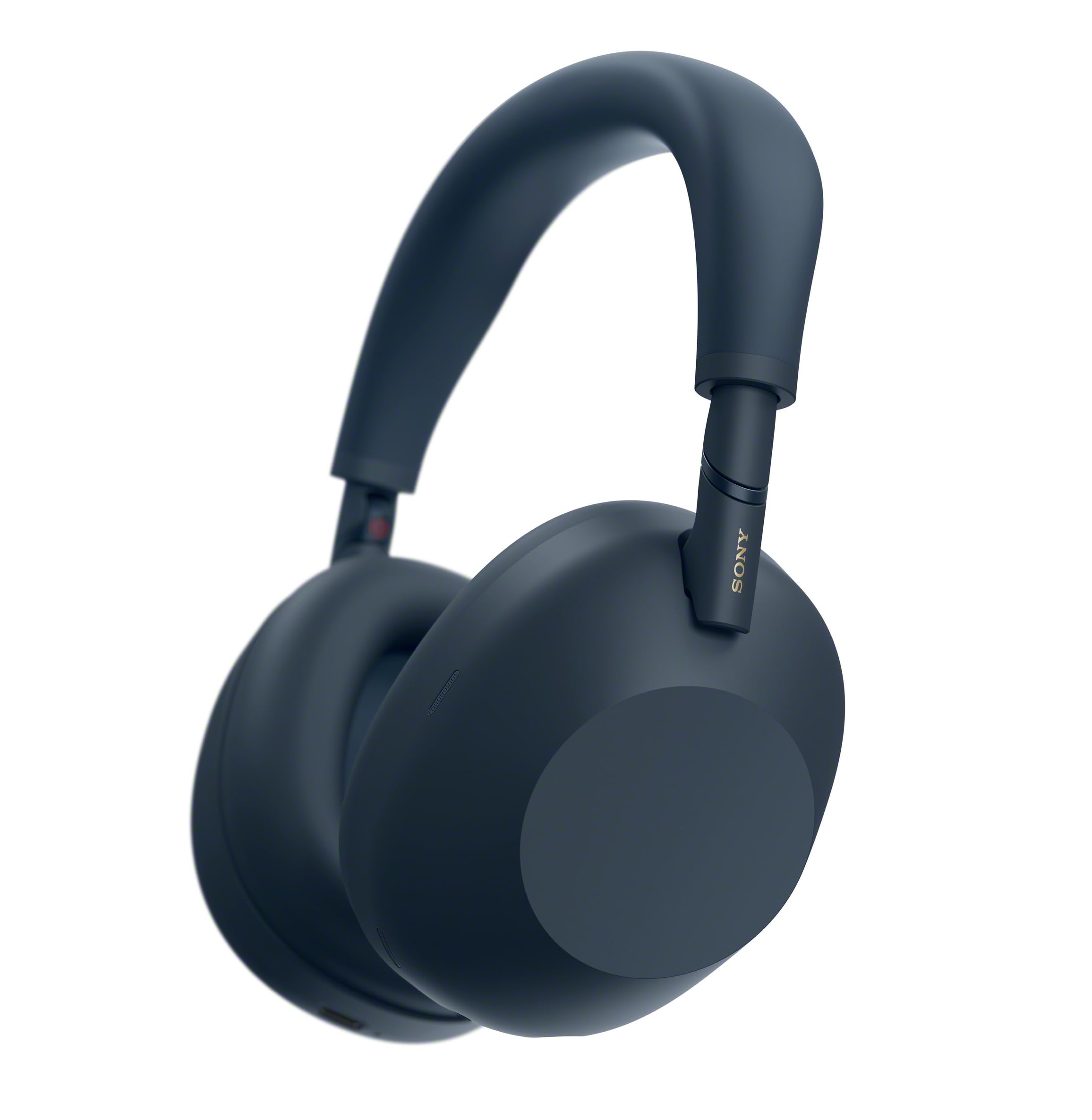
4. Sony WH‑1000XM6
Best for Noise-Cancellation Purist
Key Features
- ANC: Adaptive with 12 mics
- Battery Life (ANC On): 30 hours
- Wired Connection: No 3.5mm jack
- Portability: 254g, folds flat
- Price: Luxury
Compared to plush comfort champions, the XM6 prioritizes ANC precision. Its 12-microphone array and HD Noise Canceling QN3 processor analyze the cabin environment and adapt in real time, clamping down on engine drone while preserving voice announcements. That adaptive edge means you hear less background roar and more detail in quiet passages.
Custom carbon fiber dome drivers deliver a studio-quality sound profile with deep, controlled bass and crisp treble, tuned by Sony’s mastering engineers. A 30-hour battery and quick-charge support keep the headphones running through a full long-haul flight, and the ability to listen while charging via USB-C means a dead battery never strands you mid-movie.
Frequent flyers who value class-leading ANC and don’t mind pairing a Bluetooth transmitter for inflight screens will find the XM6 a capable travel companion. However, the tight clamping force and tendency to trap heat can make these headphones uncomfortable after an hour or two — a genuine limitation for long-haul travelers seeking all-day wearability. If you need plush, pressure-free comfort over 8+ hours, the comfort-focused alternative in this lineup fits better.
Pros
- Industry-leading adaptive noise cancellation that adjusts to cabin environment in real time
- Rich, studio-quality sound profile tuned by mastering engineers
- Fast charging and ability to listen while charging keep you powered through long journeys
Cons
- Plastic headband can develop cracks and the finish shows wear with regular use
- No analog 3.5mm jack limits direct connection to inflight entertainment without a Bluetooth transmitter
- Tight clamping force and heat buildup can cause discomfort after an hour or two, making all-day wear a challenge
The XM6’s adaptive noise cancellation is unmatched, but the comfort tradeoffs mean it’s best for short- to mid-haul flights where you’re willing to swap a wired connection and all-day plushness for the quietest cabin experience.
5. Baseus Inspire XH1
Best for Endurance Traveler
Key Features
- ANC: Adaptive ANC (-48dB)
- Battery Life (ANC On): 65 hours
- Comfort & Fit: Memory foam earcups
- Wired Connection: No 3.5mm jack
- Portability: ~260g, folds flat
- Price: Mid-Range
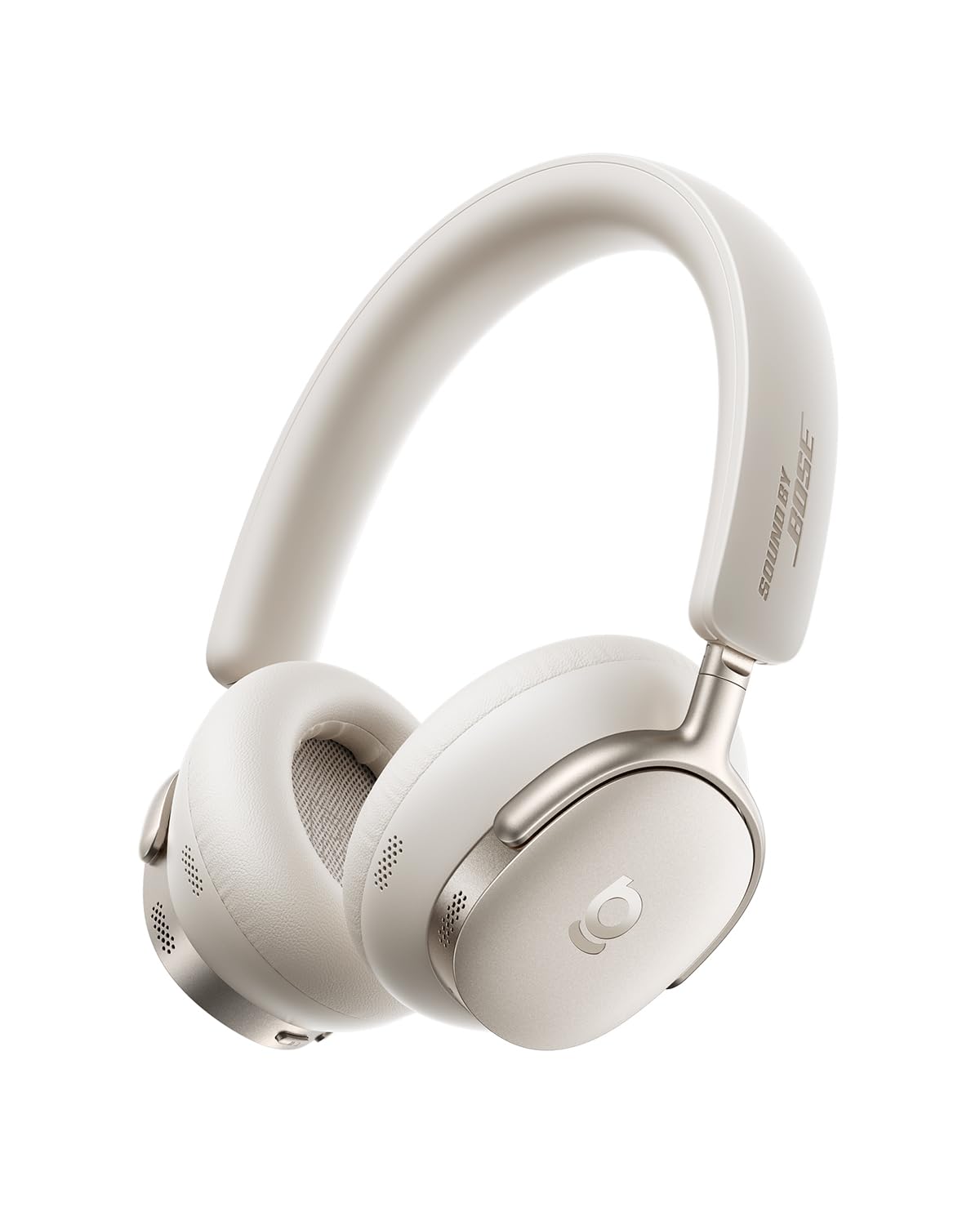
Bose‑engineered audio and adaptive ANC rival premium brands, while 65‑hour ANC playtime outlasts the comfort‑focused competition. LDAC and Dolby Spatial Audio add wireless hi‑res versatility for multi‑destination trips.
Memory foam earpads and protein leather keep ears cool during all‑day wear, though the light headband clamp can cause slippage on smaller head sizes when leaning forward — best suited for average to larger heads.
This headphone targets travelers who prioritize battery longevity and Bose‑like tuning over wired convenience. Without a 3.5mm jack, connecting to airline seat‑back screens requires a separate Bluetooth transmitter; plan accordingly.
Pros
- Bose‑tuned adaptive ANC and balanced sound signature rival premium headphones at half the price.
- 100 hours with ANC off, 65 hours with ANC on — covers a week of travel without charging.
- Velvet‑like protein leather and memory foam earcups stay comfortable for extended flights without heat buildup.
- Strong value, often compared to premium brands at half the price.
Cons
- Fit can slip forward on smaller heads when leaning, especially during travel.
- No 3.5mm jack — cannot connect to inflight entertainment systems without a Bluetooth transmitter.
For travelers who can bypass the missing 3.5mm jack with a Bluetooth transmitter, the Inspire XH1 delivers an unbeatable combination of Bose‑tuned sound, extreme battery endurance, and all‑day comfort at a mid‑range price.
6. Soundcore Space One
Best for Audiophile on Budget
Key Features
- ANC: Adaptive, 2X voice reduction
- Battery Life (ANC On): 40 hours
- Comfort & Fit: 8° rotating earcups
- Wired Connection: Included 3.5mm jack
- Portability: 259g, folds flat
- Price: Mid-Range
The Space One delivers LDAC hi-res wireless audio and adaptive ANC that cuts through ambient chatter with 2X voice reduction — features usually found on headphones costing twice as much. The 40-hour battery life with ANC active easily covers long-haul flights, and the rotating earcups plus soft headband are designed for extended wear without pressure points.
On a quiet flight, pushing the volume high enough to overcome engine noise can cause audio bleed that neighbors may hear — a limitation of the open-back style and limited passive isolation. Additionally, after months of daily use, some units have developed issues such as reduced ANC performance or intermittent connectivity, so those expecting hardware to last years without service should consider a more premium option.
This headphone suits audiophile-minded travelers who want LDAC detail on a budget and need to block out office or commute noise. However, if you frequently fly in quiet cabins and listen at high levels, the sound leakage may disturb seatmates. And for buyers who expect several years of rugged daily use without hiccups, the long-term durability hasn’t been established as tightly as premium rivals.
Pros
- Adaptive ANC reduces background voices more effectively than many headphones in this price range.
- LDAC wireless support delivers detailed high-resolution audio rare at this price point.
- Rotating earcups and padded headband reduce fatigue during all-day wear.
- Strong noise cancellation and hi-res sound at a cost that undercuts many alternatives.
Cons
- In quiet cabin environments, audio leakage at high volume can be heard by nearby passengers.
- Long-term durability under heavy daily use can be inconsistent — some units may develop performance issues after several months.
For travelers who prioritize hi-res wireless audio and voice-blocking ANC but can accept the possibility of sound leakage and less proven durability, the Space One is a compelling alternative to the top pick.
7. Beats Studio Pro
Best for Apple Ecosystem User

Key Features
- ANC: Fully-adaptive ANC
- Battery Life (ANC On): 40 hours
- Wired Connection: 3.5mm cable included
- Portability: 260g, folds flat
- Price: Premium
The Beats Studio Pro delivers punchy, bass-forward sound and deep Apple integration that makes listening effortless for iPhone and Mac users. One-touch pairing, personalized spatial audio with dynamic head tracking, and 40-hour battery life create an engaging wireless experience. The energetic low end brings excitement to movies and playlists.
Comfort is where the travel promise frays. The clamping force can lead to headaches after an hour or two, and adaptive noise cancellation has exhibited reliability variability — some units may develop static or stop canceling entirely. For quick commutes and Apple-centric bass enjoyment, the tradeoff is manageable. But the all-day wear demanded by long flights asks for a fit that not everyone will find.
Pros
- Engaging, bass-forward tuning brings energy to music and soundtracks.
- Lengthy 40-hour battery with fast charging suits extended listening days.
- Seamless one-touch pairing and device handoff across Apple products, plus personalized spatial audio.
Cons
- Noise cancellation performance can vary; some units may produce static or fail to cancel noise consistently.
- Clamping force and padding can cause headaches or ear discomfort after extended wear.
For bass-forward Apple enthusiasts who value spatial audio and instant device switching, the Studio Pro justifies its place — just don’t board a long-haul flight without a trial run.
8. JBL Tune 770NC
Best for Casual Listener

Key Features
- ANC: Adaptive ANC
- Battery Life (ANC On): 70 hrs (total)
- Wired Connection: No 3.5mm jack
- Portability: 232g, folds flat
- Price: Mid-Range
The JBL Tune 770NC delivers an exceptional 70‑hour battery that easily lasts weeks of daily commuting, paired with lively Pure Bass sound that keeps music engaging. Its adaptive noise cancellation effectively quiets office chatter. However, the clamping force can become uncomfortable after an hour or two, and the lack of a 3.5mm jack means you cannot plug directly into airplane entertainment systems without a separate Bluetooth transmitter. This makes it a fine choice for short wireless listening sessions but a poor fit for long‑haul flights where both comfort and wired connectivity matter.
Pros
- Exceptional battery life that lasts through extended commutes
- Lively JBL Pure Bass sound with clear mids
- Effective noise cancellation for office and home environments
Cons
- Tight clamping force can cause discomfort after extended wear
- No 3.5mm jack; cannot connect directly to inflight entertainment systems
A strong option for short wireless listening and daily commutes, but its comfort and connectivity limits make it less suitable for long flights.
How to Choose
The most critical spec for long‑flight headphones isn’t battery life or ANC depth — it’s whether they stay comfortable and connected to the seat‑back screen for the entire journey.
Active Noise Cancellation
ANC works by generating sound waves that cancel low-frequency noise like engine hum, but it can create a subtle “pressure” sensation for some listeners. This occurs when the earcup forms an airtight seal and the cancellation is too aggressive. Headphones with multiple ANC modes or an adjustable slider let you dial back the effect during quieter moments, preventing that uncomfortable ear squeeze on a 12‑hour flight.
Battery Life (with ANC)
Manufacturers often quote runtime with ANC off, so always check the ANC‑on figure. Real‑world use with higher volumes and codecs like LDAC can drain battery faster. A headphone that promises 40 hours with ANC should still get you through a London‑to‑Singapore round trip without a top‑up. Models with quick‑charge that give 2‑3 hours of listening from a 10‑minute plug are a practical safety net.
Comfort & Clamping Force
Clamping force is the inward pressure the earcups exert on your head. Too tight and it leads to temple pain and headaches after an hour; too loose and the headphones slide forward when you recline. Look for generously padded memory foam that distributes weight evenly, and ear cup pivot that allows a natural fit. Materials matter as well — protein leather can trap heat, while mesh fabrics or vented designs stay cooler over long wear.
Wired Connection (3.5mm Jack)
Many newer headphones are dropping the 3.5mm jack, relying solely on Bluetooth or USB‑C audio. On most airline entertainment systems, the only way to plug in is via a standard 3.5mm cable. Without it, you’ll need a Bluetooth transmitter or be limited to your own device. If you plan to watch seat‑back movies, a headphone with an analog audio cable remains the simplest and most reliable option.
Portability & Folding Design
A headphone that folds flat or swivels into a compact shape slips more easily into a carry‑on or seat pocket. Weight under 300g is barely noticeable around your neck between connections. Hardshell cases protect hinges — plastic hinges are the most common failure point in budget models, so a rigid case that prevents twisting in an overhead bin adds meaningful durability on the road.
FAQ
Why do my noise‑cancelling headphones create a pressure feeling on planes?
The sensation comes from the active cancellation system emitting low‑frequency waves that create a pressure differential in the earcup. It’s more pronounced when the seal is airtight and the ANC is strong. Switching to a lower ANC mode or choosing headphones with adjustable intensity can reduce or eliminate the effect.
Can I connect wireless headphones to airplane TV screens without a cable?
Most airplane seat‑back screens lack Bluetooth, so you’ll need a Bluetooth transmitter that plugs into the 3.5mm headphone jack on the armrest. Alternatively, some headphones support a USB‑C audio cable, but that still requires a physical connection. The simplest solution is to pick headphones that include a standard 3.5mm cable.
How do I stop over‑ear headphones from slipping off during a flight?
Slippage often happens when the headband is too loose or the earcup pivot doesn’t adjust enough. Tighten the headband so it sits securely without excessive clamp, and consider an angled neck pillow that supports the lower edge of the earcups when you recline. Choosing a model with a grippy headband pad also helps.
Why did my budget ANC headphones break at the hinge after a few months?
Budget headphones frequently use plastic hinges that cannot withstand repeated folding and daily travel stresses. The material fatigues and cracks, especially when stored without a protective case. If you travel often, look for headphones with reinforced metal hinges or plan to treat budget pairs gently and replace them every 1–2 years.